
The Newspaper, the State, and the Public
M: Son of the CenturyThis flow traces the changing role of the press from partisan organ to instrument of public contest and state control.
increasing Bearing strength in each event
 decreasing
Bearing strength in each eventdecreasingA Newspaper Replaces a Party
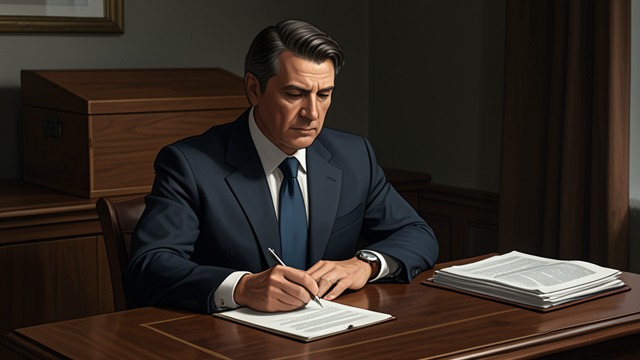
Il Popolo d’Italia Begins
A New Platform
After leaving Avanti!, Mussolini establishes Il Popolo d’Italia to advocate intervention in the war. The newspaper gives him a platform independent of the Socialist Party and helps assemble a new political audience.
Journalism as Organization
The paper does more than report events: it recruits, interprets, and directs. Mussolini’s editorial office becomes an early institutional center for a movement that has not yet acquired a stable party structure.
The Press Becomes a Target
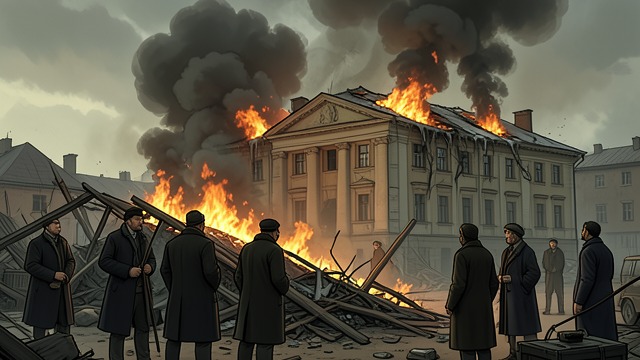
Avanti! Is Burned
Violence against a Newspaper
After street clashes in Milan, fascist attackers burn the socialist newspaper’s headquarters and destroy its equipment. A political opponent’s press is treated as a home that can be raided and erased.
A Precedent for Coercion
The attack makes control of public speech a physical contest. Newspapers are not merely observers of political violence; their offices, archives, and printing presses are among its targets.
A Bomb in the Procession
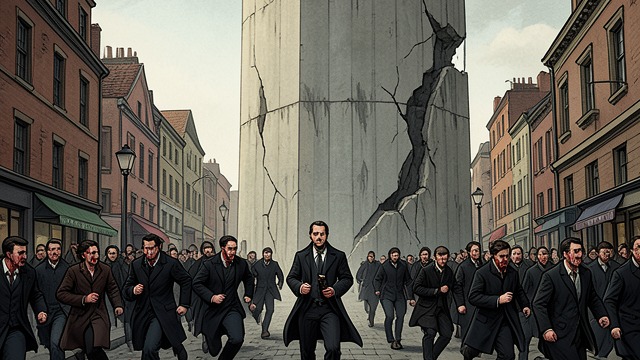
An Attack on Socialists
The Victory Procession
A bomb thrown at a socialist procession near Avanti! wounds and kills participants. The violence provokes outrage and gives the fascists a pretext to argue that their own attacks are defensive.
Conflicting Narratives
Newspapers describe the event through partisan interpretations, while the perpetrators’ identities remain contested. The episode shows how quickly news becomes a weapon in a struggle over who may claim innocence.
The Diana Theatre Bombing
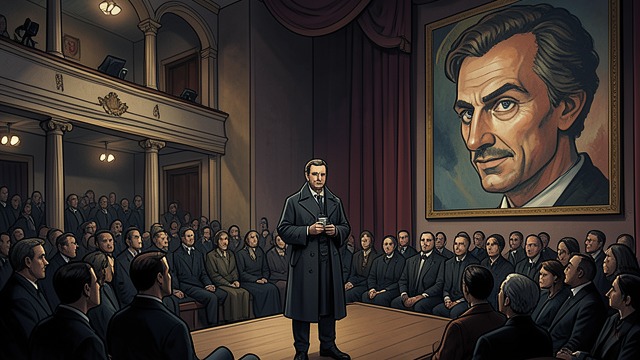
Terror and Counter-Terror
A Civilian Audience
A bomb explodes during a performance at the Kursaal Diana, killing and injuring spectators. The massacre horrifies the city and is attributed to anarchists.
Fascist Framing
Mussolini distinguishes fascist violence from terrorism, presenting his movement as a force that fights openly. The distinction allows fascism to condemn one kind of violence while continuing another.
The Press Is Constrained
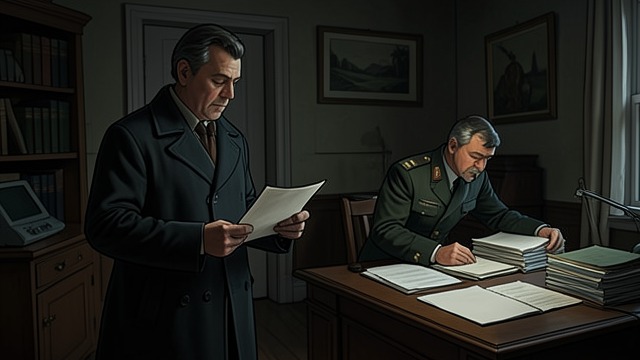
Censorship and Reputation
Restrictions Expand
Police powers allow authorities to seize publications and interfere in opposition newspapers. Public debate continues, but editors increasingly face legal and physical pressure.
A Contest over Reality
Mussolini’s government seeks to shape not only what readers know but which accounts can circulate. The press remains politically consequential precisely because the regime has not yet made it wholly silent.
November 1914
April 15, 1919
November 17, 1919
March 23, 1921
Summer 1923–1924
